=
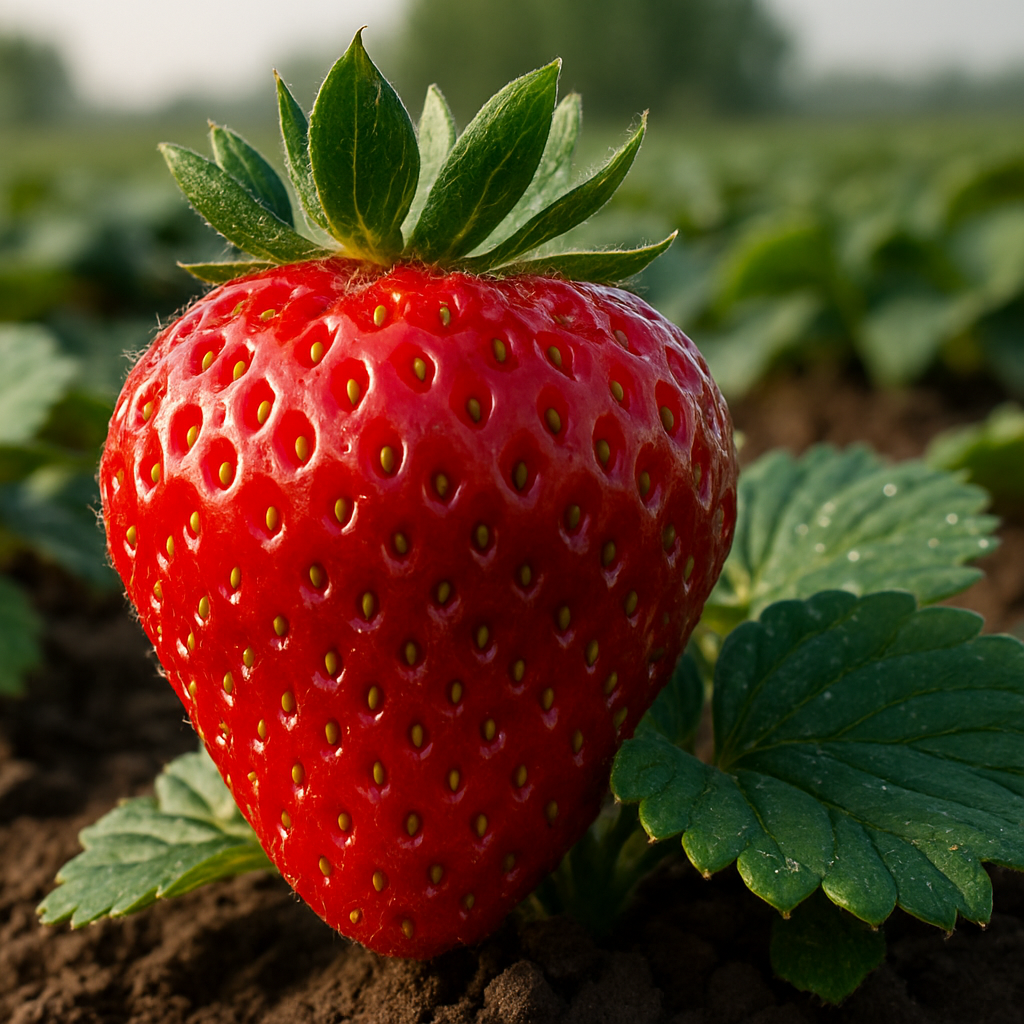
स्ट्रॉबेरी का साइज और कलर मैक्सिमाइज़ करने का तरीका: balanced nutrition, strawberry size pgr और humalite की सही समझ
स्ट्रॉबेरी में बड़ा साइज, गहरा यूनिफॉर्म लाल कलर, अच्छी शाइन और मजबूत firmness पाने के लिए सिर्फ केमिकल फर्टिलाइजर काफी नहीं होता। सही परिणाम तब मिलते हैं जब कम्पोस्ट, ऑर्गेनिक कार्बन, ह्यूमिक सपोर्ट, सीवीड, अमीनो एसिड, कैल्शियम, पोटाश, बोरॉन और माइक्रोन्यूट्रिएंट को स्टेज-वाइज तरीके से दिया जाए, ताकि मार्केटेबल प्रीमियम क्वालिटी और बेहतर रेट दोनों मिलें।
⚡ जल्दी समझें
स्ट्रॉबेरी का अच्छा साइज, गहरा और एकसमान कलर, ज्यादा वेट, अच्छी शाइन और बेहतर keeping quality पाने के लिए केवल एनपीके देना पर्याप्त नहीं है। असली रिजल्ट तब आता है जब flowering से लेकर fruit development और peak harvesting तक stage-wise nutrition दिया जाए। रूट जोन में organic carbon और microbial activity मजबूत रखना, कैल्शियम, पोटाश, बोरॉन, मैग्नीशियम और chelated micronutrient की कमी न होने देना, seaweed extract, potassium humate, amino acid और balanced पिजीआर approach को सही समय पर उपयोग करना बहुत जरूरी है। Humalite जैसे humic based soil conditioner रूट growth, nutrient uptake, water holding और fruit filling में महत्वपूर्ण भूमिका निभाते हैं।
🚜 खेतों में यह समस्या कैसे दिखती है?
- कई खेतों में शुरुआत की picking में फल का साइज ठीक आता है, लेकिन बाद की picking में berries छोटे, हल्के और uneven होने लगते हैं। इससे किसान को लगता है कि पौधा फल दे रहा है, पर quality धीरे-धीरे गिर रही है।
- फल का tip या shoulder पूरा लाल नहीं होता, patchy color आता है, कुछ berries हल्की या सफेद नोक वाली रहती हैं। ऐसे fruits buyer को तुरंत lower grade जैसे लगते हैं।
- कुछ berries misshapen, pointed या टेढ़ी बनती हैं, जो अक्सर weak pollination, boron imbalance या stress का संकेत हो सकती हैं।
- फल soft feel होता है, packing में दब जाता है, transport में damage बढ़ता है और shelf life तेजी से गिरती है।
- पौधों में पत्तियां बहुत dark green और leafy दिखती हैं, लेकिन fruit quality कमजोर रहती है। यह excess nitrogen का संकेत हो सकता है।
- old leaves में marginal burn, potash deficiency जैसे symptom, chlorosis या dull canopy दिखाई दे सकती है, जिसका असर सीधे fruit filling और color पर पड़ता है।
- flowering flush असमान होती है, fruit set कमजोर रहता है, एक ही खेत में harvesting uneven हो जाती है और grading losses बढ़ते हैं।
- harvest interval बढ़ने के साथ berry size लगातार छोटा होता जाता है, जो root weakness, nutrient shortage, overloading या irrigation stress की ओर इशारा करता है।
- fruit surface smooth नहीं रहती, finish कमजोर होती है, शाइन कम रहती है और packing के बाद फल dull दिखता है।
- salinity, hard water, root stress या disease pressure के समय expected nutrition देने के बाद भी size और color नहीं बनता, क्योंकि uptake block हो जाता है।
💰 आय पर प्रभाव
स्ट्रॉबेरी में profit सिर्फ कुल किलो उत्पादन से तय नहीं होता, बल्कि प्रति किलो मिलने वाले rate से तय होता है। अगर फल का साइज बड़ा, कलर यूनिफॉर्म, firmness अच्छी और shelf life बेहतर हो तो किसान को premium rate मिलता है। छोटे, soft, dull या uneven color वाले fruits अक्सर local distress sale में चले जाते हैं। कई बार केवल quality के कारण 15-40% तक price difference देखने को मिलता है। stage-wise nutrition, humic acid, seaweed, amino acid और micronutrient based management से marketable yield बढ़ती है, grading losses कम होते हैं और ROI बेहतर बनता है।
📈 बाजार पर प्रभाव
मार्केट में स्ट्रॉबेरी का rate मुख्य रूप से साइज, uniform red color, शाइन, firmness, sweetness, surface finish और packing के बाद holding पर निर्भर करता है। बड़े और attractive berries modern retail, gifting, horeca और premium fruit counters में जल्दी बिकते हैं। छोटे, pale या patchy color वाले fruits lower grade में चले जाते हैं। अगर fruit का shoulder या tip सही color नहीं ले रहा, तो buyer तुरंत rate काट देता है। इसलिए केवल production नहीं, बल्कि premium marketable output को target करना ज्यादा समझदारी है।
🌿 फसल गुणवत्ता
अच्छा साइज और मजबूत कलर केवल दिखावट का मामला नहीं है। इसका सीधा असर fruit weight, sweetness balance, firmness, transport tolerance, shelf life और consumer repeat demand पर पड़ता है। balanced nutrition से cell division और cell expansion दोनों सुधरते हैं। कैल्शियम cell wall मजबूत करता है, पोटाश sugar movement और color development को support करता है, बोरॉन fruit set और shape में मदद करता है, जबकि micronutrient metabolism को smooth रखते हैं। biological support मिलने पर fruit की शाइन, texture और keeping quality भी बेहतर होती है।
🔬 यह समस्या क्यों होती है?
स्ट्रॉबेरी में fruit sizing कमजोर होने का सबसे common कारण flowering और early fruit set stage पर nutrition imbalance है। बहुत बार किसान vegetative growth देखकर खुश हो जाता है, लेकिन पौधे के अंदर source-sink balance बिगड़ चुका होता है। excess nitrogen से canopy तो तेजी से बढ़ती है, पर फल soft, watery और poor color वाला हो सकता है। दूसरी तरफ potash की कमी होने पर sugar movement, fruit filling और color development प्रभावित होते हैं। कैल्शियम की कमी से firmness और shelf life गिरती है, जबकि बोरॉन deficiency pollination, fruit set और berry shape को बिगाड़ सकती है।
मैग्नीशियम और आयरन imbalance होने पर photosynthesis घटता है, जिससे plant के पास fruit filling के लिए पर्याप्त energy नहीं बनती। low organic carbon और कमजोर microbial activity के कारण soil में दिए गए nutrients efficiently available नहीं हो पाते। high EC, salinity, hard water या irregular irrigation roots को stress में डालते हैं, जिससे uptake रुकता है और berry size गिरता है। कमजोर root system peak load के समय fruits को sustain नहीं कर पाता। low light, high humidity और disease pressure color build-up को धीमा कर सकते हैं। overloaded plants में बहुत ज्यादा fruits छोड़ देने से भी berry size छोटा रह जाता है। इसी वजह से blind strawberry size पिजीआर use करना सही समाधान नहीं है; natural physiology को support करने वाली balanced biostimulant-led approach अधिक सुरक्षित और टिकाऊ रहती है।
🧪 रोग/कीट पहचान और तकनीकी समाधान
स्ट्रॉबेरी में quality loss केवल nutrition की वजह से नहीं, बल्कि disease और pest pressure से भी तेजी से होता है। Botrytis fruit rot या gray mold ripening fruit पर soft rot और gray fungal growth देता है, जिससे shelf life तुरंत गिरती है। Powdery mildew पत्तियों और fruit surface दोनों को प्रभावित कर सकता है, photosynthesis घटाता है और fruit finish खराब करता है। Anthracnose fruit spotting और crown infection के रूप में दिख सकता है। Leaf spot diseases canopy को कमजोर करती हैं, जिससे indirect रूप से fruit sizing प्रभावित होती है। Root rot, Phytophthora या Pythium complex roots को damage करके nutrient uptake रोक देते हैं, और फिर berries छोटे रह जाते हैं। Mites, thrips, aphids और whitefly जैसे pests plant vigor कम करते हैं; thrips flower damage और fruit bronzing बढ़ा सकते हैं, mites photosynthesis घटाते हैं, और aphids virus risk भी बढ़ाते हैं।
फर्टिलाइजर management में सबसे जरूरी बात है stage-wise schedule। planting से पहले अच्छी तरह सड़ी हुई FYM या compost 8-12 टन प्रति एकड़, neem cake 100-150 किलो प्रति एकड़, phosphorus और potash की base dose soil test के अनुसार दें। अगर soil में calcium low है तो gypsum या suitable calcium source शामिल करें। planting zone में potassium humate या humic acid granule/liquid drench देने से root zone activate होता है। planting के 0-20 दिन में low to moderate nitrogen, phosphorus support, humic drench और low dose seaweed उपयोगी रहते हैं। 20-40 दिन में balanced N:P:K, magnesium, chelated micronutrient और amino acid + seaweed support canopy और root दोनों को मजबूत करते हैं। pre-flowering से flowering stage पर nitrogen moderate रखें, potash और boron support बढ़ाएं, calcium शुरू करें और chelated micronutrient mix दें। fruit set से early fruit development तक nitrogen controlled, potash higher और calcium regular रखें; यही stage size के लिए सबसे critical है। fruit filling से color development तक potash dominant nutrition, calcium, magnesium और deficiency-based micronutrient correction जरूरी है। peak harvesting period में small frequent fertigation करें, excess nitrogen avoid करें और stress period में amino acid तथा recovery support के लिए seaweed program रखें।
- रूट जोन activation: potassium humate या humic acid को drip या drench से 10-15 दिन के interval पर दें, खासकर stress, salinity, hard water या weak rooting की स्थिति में। इससे root hairs बढ़ते हैं, nutrient chelation सुधरती है, water holding बेहतर होती है और uptake support मिलता है। Humalite type humic support ऐसे खेतों में खास उपयोगी होता है जहां nutrients देने के बाद भी response कमजोर हो।
- सीवीड extract program: pre-flowering, flowering, fruit set और stress period में low to moderate dose पर foliar या drench program रखें। इससे flowering uniformity, fruit set और recovery में मदद मिलती है।
- amino acid support: heat stress, cloudy weather, transplant shock या heavy picking load के समय foliar amino acid उपयोगी रहता है। इससे plant metabolic recovery तेज होती है और fruit filling support मिलती है।
- chelated micronutrient correction: boron, zinc, iron, manganese और magnesium की targeted correction करें। boron को low safe dose पर flowering के आसपास दें, overdose न करें। magnesium और iron deficiency होने पर photosynthesis गिरता है, इसलिए symptom आने का इंतजार न करें।
- calcium management: calcium nitrate या suitable calcium source को split dose में fertigation से दें। जरूरत पड़ने पर foliar calcium भी उपयोग करें। इससे firmness, skin strength, shelf life और transport tolerance बेहतर होती है।
- potash-centered nutrition: fruit set के बाद potash dominant schedule रखें। इससे sugar translocation, berry filling, color intensity, taste और finish बेहतर होते हैं।
- balanced पिजीआर approach: blind strawberry size पिजीआर use न करें। अगर पिजीआर strategy अपनानी हो तो केवल expert guidance, सही crop stage और strict dose discipline के साथ करें। biostimulant-led approach अधिक safe और sustainable रहती है।
- disease management: botrytis risk में canopy aeration रखें, infected fruits हटाएं और local recommendation के अनुसार label claim वाले generic fungicides को rotation में उपयोग करें जैसे fenhexamid, cyprodinil + fludioxonil, boscalid + pyraclostrobin या equivalent registered options। powdery mildew के लिए sulfur based, potassium bicarbonate based या systemic fungicide rotation local advisory अनुसार करें। root rot fields में metalaxyl, fosetyl-Al, phosphonate based registered options या equivalent recommendation के साथ drainage सुधारें।
- pest management: thrips, mites, aphids की early scouting करें। sticky traps, hygiene, weed host removal और need-based spray rotation जरूरी है।
- water और EC management: overwatering से soft fruit और root disease बढ़ती है। moisture fluctuation से size inconsistency आती है। fertigation EC moderate रखें, long gap irrigation और salt build-up से बचें।
❌ किसान अक्सर कौन सी गलतियां करते हैं?
- सिर्फ केमिकल फर्टिलाइजर पर भरोसा करना और soil carbon, compost, humic acid व microbial activity को ignore करना बड़ी गलती है, क्योंकि nutrient efficiency केवल bag से नहीं, soil biology से भी तय होती है।
- हर stage पर एक जैसा fertilizer देना गलत है। स्ट्रॉबेरी को establishment, vegetative growth, flowering, fruit set और fruit filling हर stage पर अलग nutrition balance चाहिए।
- excess nitrogen देकर पौधे को बहुत leafy बना देना short term में अच्छा दिखता है, लेकिन इससे fruit soft, watery और poor color वाला हो सकता है।
- potash और calcium को late देना नुकसानदायक है। जब fruit filling पहले ही कमजोर हो चुकी हो, तब correction का असर सीमित रह जाता है।
- boron और micronutrient deficiency को पहचान न पाना misshapen berries, weak fruit set और dull color का कारण बनता है।
- हर quality problem के लिए blind strawberry size पिजीआर use करना risky है। इससे natural balance बिगड़ सकता है और shape disorder भी बढ़ सकते हैं।
- root health खराब होने के बावजूद केवल foliar spray से पूरा result expect करना व्यावहारिक नहीं है। कमजोर roots peak load पर plant को sustain नहीं कर पाते।
- irrigation irregular रखना cracking, soft fruit, poor color और nutrient fluctuation बढ़ाता है।
- disease control देर से करना, खासकर botrytis और powdery mildew के समय, सीधे marketable quality को गिराता है।
- hard water के साथ spray solution का pH और compatibility check न करना nutrient efficiency और spray performance दोनों कम कर देता है।
- weak plants पर ज्यादा fruits छोड़ देना source-sink imbalance पैदा करता है, जिससे berry size छोटा हो जाता है।
- soil test और water test के बिना fertilizer schedule चलाना अक्सर या तो underfeeding या salt build-up की समस्या पैदा करता है।
✅ सही प्रबंधन: क्या करना चाहिए?
planting से पहले प्रति एकड़ अच्छी quality compost या FYM जरूर मिलाएं ताकि soil carbon बढ़े और root zone जीवंत बने। bed में drainage अच्छा रखें, क्योंकि पानी रुकने से root rot, soft fruit और uneven growth बढ़ती है। mulching सही रखें ताकि fruit clean रहे, soil splash कम हो और humidity management बेहतर हो। drip system से small frequent irrigation करें; long gap irrigation या flood irrigation से moisture stress और size inconsistency बढ़ती है।
हर 10-15 दिन में root zone को humic acid या potassium humate से support दें, खासकर stress period, hard water, salinity या weak root response की स्थिति में। flowering से fruit set stage पर seaweed extract और amino acid program रखें ताकि flowering uniformity, fruit set और recovery बेहतर हो। calcium और potash की supply fruit load बढ़ने से पहले शुरू करें, बाद में correction का असर कम हो सकता है। micronutrient deficiency के visual symptom का इंतजार न करें; preventive low dose schedule अधिक practical है।
old diseased leaves और rotten fruits field में न छोड़ें, क्योंकि यही inoculum बनकर botrytis और दूसरी fungal problem बढ़ाते हैं। canopy open रखें ताकि light penetration और air movement अच्छा रहे। hard water हो तो spray solution का pH और compatibility check करें। weekly field scouting करें: flower quality, fruit set, berry size trend, mite/thrips pressure और root vigor को नियमित देखें। heavy chemical feeding से पहले soil EC check करें। याद रखें, safe food roots से शुरू होता है; इसलिए soil biology को जिंदा रखना long-term profit की बुनियाद है।
👨🌾 खेत से मिले अनुभव
“कई खेतों में देखा गया है कि जहां compost + humic based drench + balanced fertigation का संयोजन अपनाया गया, वहां berry size ज्यादा uniform, harvest continuity बेहतर और marketable quality मजबूत रही। केवल urea-heavy feeding वाले plots में canopy तो lush दिखी, लेकिन fruit soft, dull color और कम holding वाले मिले। potash और calcium timely देने पर firmness और transport tolerance स्पष्ट रूप से बेहतर देखी गई। boron और micronutrient correction के बाद misshapen berries कम हुईं। salty soil या hard water वाले खेतों में humic support से plant response सुधरा। हमारी agronomy philosophy यही मानती है कि crop को केवल NPK से push करना long-term profit का रास्ता नहीं है। plant का brain उसका root system है और soil microbes उसकी unpaid workforce। जब किसान soil को feed करता है, तभी plant असली efficiency से nutrition लेता है। premium कमाई yield से नहीं, marketable quality से आती है—यानी size, weight, shine, firmness और keeping quality। इसलिए stage-wise nutrition, calcium-potash balance, micronutrient correction, disease prevention और biostimulant support को साथ लेकर चलना ही समझदारी है।”
❓ सामान्य प्रश्न (FAQs)
स्ट्रॉबेरी का साइज बढ़ाने के लिए सबसे जरूरी क्या है?
सबसे जरूरी है strong root system, balanced fertigation और flowering से fruit filling तक potash + calcium + boron + micronutrient support। इसके साथ humic acid, seaweed extract और amino acid जैसे biostimulant सही stage पर उपयोग किए जाएं तो plant stress कम होता है और berry filling बेहतर होती है।
क्या सिर्फ strawberry size पिजीआर से बड़े फल मिल जाएंगे?
नहीं। अगर soil carbon, root health, water management और balanced nutrition कमजोर है तो केवल पिजीआर से stable और sustainable result नहीं मिलेगा। कई बार गलत stage या dose पर उपयोग करने से fruit shape भी बिगड़ सकती है।
humalite का role क्या है?
Humalite जैसे humic based input root zone activate करते हैं, nutrient uptake improve करते हैं, water holding बढ़ाते हैं और plant को stress में support देते हैं। इसका indirect लेकिन महत्वपूर्ण असर size, uniformity, fruit filling और overall quality पर पड़ता है।
स्ट्रॉबेरी में कलर सही क्यों नहीं आता?
इसके पीछे low potash, excess nitrogen, low light, high humidity, disease pressure, weak roots, micronutrient imbalance और irregular irrigation जैसे कारण हो सकते हैं। इसलिए color problem को केवल spray issue न मानें; यह अक्सर whole-plant