=
प्याज का साइज बढ़ाने के लिए बेस्ट और अफोर्डेबल न्यूट्रिशन: बैलेंस्ड फीडिंग, रूट हेल्थ और बल्ब फिलिंग का सही प्लान
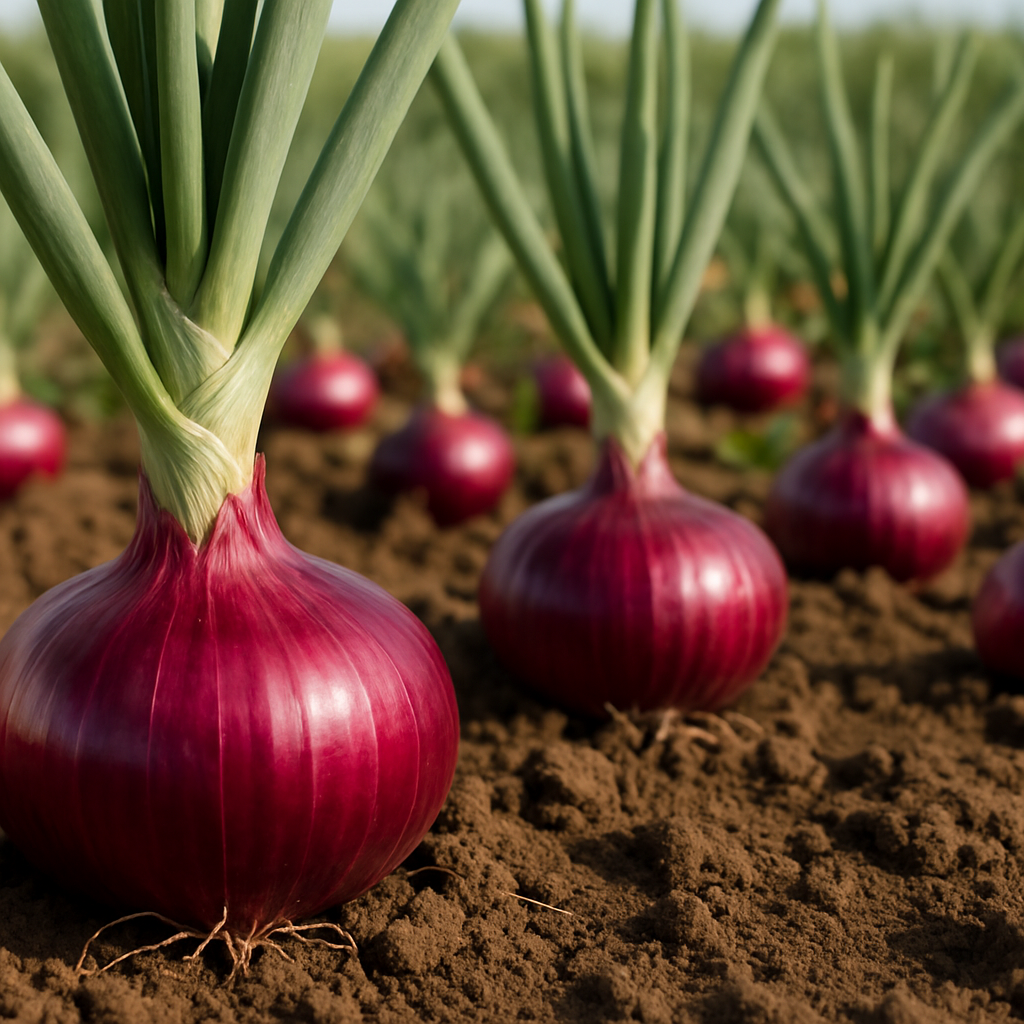
प्याज का साइज बढ़ाने का सबसे सही और अफोर्डेबल तरीका है स्टेज-वाइज बैलेंस्ड न्यूट्रिशन—बेसल में कम्पोस्ट/गोबर खाद + फॉस्फोरस + सल्फर, शुरुआती दिनों में मजबूत रूट सपोर्ट, और बल्ब बनने से पहले व दौरान पोटाश, बोरॉन, मैग्नीशियम, कैल्शियम, चिलेटेड माइक्रोन्यूट्रिएंट, ह्यूमिक, सीवीड और अमिनो का सही उपयोग।
सिर्फ यूरिया या केवल केमिकल फर्टिलाइजर पर निर्भर रहने से खेत हरा दिख सकता है, लेकिन साइज, वजन, हार्डनेस, स्टोरेज और मार्केट रेट नहीं बनता; असली फायदा तब मिलता है जब मिट्टी, जड़, पत्ती और बल्ब—चारों को साथ में मैनेज किया जाए।
⚡ जल्दी समझें
प्याज का बड़ा, भारी और टाइट बल्ब सिर्फ ज्यादा यूरिया देने से नहीं बनता। इसके लिए शुरुआत से मजबूत रूट, एक्टिव सॉइल, बैलेंस्ड नाइट्रोजन-फॉस्फोरस-पोटाश, सही मात्रा में सल्फर, और सही समय पर बोरॉन, जिंक, मैग्नीशियम, कैल्शियम जैसे न्यूट्रिएंट जरूरी होते हैं। इसके साथ ह्यूमिक, सीवीड, अमिनो एसिड और चिलेटेड माइक्रोन्यूट्रिएंट जैसे बायोस्टिमुलेंट पौधे की uptake क्षमता और stress tolerance बढ़ाते हैं। थ्रिप्स, पर्पल ब्लॉच और डाउनी मिल्ड्यू जैसे stress समय पर कंट्रोल न हों तो पत्ती का active area घट जाता है और बल्ब filling रुक जाती है। इसलिए अफोर्डेबल प्लान वही है जो स्टेज-वाइज feeding, root health, leaf protection और irrigation balance पर आधारित हो।
🚜 खेतों में यह समस्या कैसे दिखती है?
- कई खेतों में पौधा ऊपर से हरा-भरा और लंबा दिखता है, लेकिन नीचे बल्ब मोटा नहीं बनता। किसान को लगता है फसल अच्छी है, पर खुदाई के समय पता चलता है कि वजन नहीं बना। यह अक्सर असंतुलित नाइट्रोजन, कमजोर रूट या देर से पोटाश देने का संकेत होता है।
- एक ही खेत में कुछ पौधों का बल्ब ठीक और कुछ का बहुत छोटा रह जाना uneven nutrition, uneven moisture, कमजोर root zone या low organic carbon वाली मिट्टी की निशानी है। ऐसी फसल में grading खराब होती है और marketable yield घटती है।
- पत्तियों का रंग हल्का हरा, पीला या growth slow होना nitrogen deficiency ही नहीं, बल्कि phosphorus uptake की कमी, root stress, zinc-magnesium deficiency या waterlogging के बाद root inactivity का भी लक्षण हो सकता है।
- पत्ती के सिरे जलना, झुलसना या किनारों से सूखना potash imbalance, salt stress, irregular irrigation या disease pressure से जुड़ा हो सकता है। किसान अक्सर इसे सिर्फ “गर्मी” समझकर छोड़ देते हैं, जबकि यही stage आगे bulb filling को प्रभावित करती है।
- थ्रिप्स लगने पर पत्ती पर सिल्वर जैसी लकीरें, मुड़ना, सिकुड़ना और सूखना शुरू होता है। पत्ती का active area कम होते ही photosynthesis घटता है और बल्ब का साइज सीधे रुक जाता है।
- पर्पल ब्लॉच में बैंगनी-भूरे धब्बे बनते हैं, ऊपर से पत्ती सूखती है। डाउनी मिल्ड्यू में सुबह ग्रे-व्हाइट growth दिख सकती है और बाद में पत्ती collapse हो जाती है। दोनों स्थितियों में खेत हरा नहीं टिकता और बल्ब filling अधूरी रह जाती है।
- बल्ब नरम, ढीला, फटा, डबल या असमान आकार का बनना irregular moisture, late nitrogen, poor calcium-boron balance या stress conditions का परिणाम हो सकता है।
- कटाई के बाद बाहरी skin ठीक से set न होना, जल्दी सड़न, sprouting या storage loss बढ़ना इस बात का संकेत है कि crop maturity, hardening और late stage nutrition सही नहीं रहा।
- बारिश या ज्यादा नमी के बाद खेत के कुछ हिस्सों में growth रुक जाना, root activity कम होना, pink root, basal rot या poor bulb growth दिखना drainage problem और root health failure का संकेत है।
- किसान को अक्सर लगता है कि “खेत हरा है तो फसल अच्छी है”, लेकिन प्याज में असली बात leaf count, leaf health, root activity, bulb filling और uniformity की होती है—सिर्फ हरियाली की नहीं।
💰 आय पर प्रभाव
प्याज में साइज ही सीधा पैसा बनाता है। जब बल्ब यूनिफॉर्म, भारी और हार्ड बनता है, तो प्रति एकड़ क्विंटल बढ़ते हैं और grading में ज्यादा माल medium-to-large category में जाता है। छोटे और हल्के बल्ब में किसान वही मेहनत, वही पानी, वही मजदूरी और वही harvesting cost लगाता है, लेकिन बिक्री कम rate पर होती है। बैलेंस्ड न्यूट्रिशन, healthy root zone और सही bulb filling management से अक्सर 10-25% तक बेहतर marketable yield, कम rejection और बेहतर storage मिल सकता है। यानी फायदा सिर्फ उत्पादन बढ़ने से नहीं, बिकाऊ उत्पादन बढ़ने से होता है।
📈 बाजार पर प्रभाव
मार्केट में प्याज का rate केवल कुल क्विंटल से तय नहीं होता, बल्कि grade, hardness, skin finish, shine, uniformity और keeping quality से तय होता है। छोटे, नरम, फटे, डबल या disease affected bulbs को व्यापारी कम rate देता है। सही nutrition और canopy protection से बल्ब गोल, भरे हुए, टाइट और एक जैसे बनते हैं, जिससे lot बेहतर तैयार होता है। storage onion में hard bulb और सूखी outer skin बहुत जरूरी है, वरना बाद में वजन भी निकलता है और पैसा भी।
🌿 फसल गुणवत्ता
अच्छे nutrition से प्याज में bulb size, dry matter, hardness, skin setting, shine और storability सुधरती है। केवल nitrogen से खेत हरा दिख सकता है, लेकिन quality onion नहीं बनता। potash, calcium, sulfur, boron, magnesium और micronutrient balance bulb को टाइट, भारी और storage योग्य बनाते हैं। humic और seaweed जैसे biostimulant root activity और nutrient uptake बढ़ाकर quality output देते हैं। यही वजह है कि balanced feeding वाले खेतों में neck thickness, bulb shape और skin finish अक्सर बेहतर देखी जाती है।
🔬 यह समस्या क्यों होती है?
प्याज का बल्ब साइज किसी एक खाद से तय नहीं होता, बल्कि यह पत्ती की संख्या, पत्ती की हेल्थ, जड़ों की सक्रियता और पौधे द्वारा बनाई गई energy पर निर्भर करता है। प्याज में जितनी अच्छी और स्वस्थ पत्तियां होंगी, उतनी ज्यादा photosynthesis होगी, और वही energy नीचे bulb filling में जाएगी। अगर शुरुआती stage में root system कमजोर रह गया, transplant shock ज्यादा रहा, मिट्टी सख्त रही, या phosphorus की कमी रही, तो बाद में चाहे किसान कितनी भी top dressing कर दे, crop अपनी पूरी क्षमता तक नहीं पहुंचती। यही कारण है कि शुरुआती 25-30 दिन बहुत critical माने जाते हैं।
केवल nitrogen देने से vegetative growth बढ़ती है, यानी पत्ती ज्यादा बन सकती है, लेकिन balanced bulb development नहीं होता। bulb filling के लिए potash बहुत महत्वपूर्ण है, क्योंकि यह sugar translocation, water balance, firmness और filling में मुख्य भूमिका निभाता है। sulfur प्याज में विशेष रूप से जरूरी है, क्योंकि यह pungency, dry matter और bulb quality से जुड़ा है। boron और calcium cell wall strength, uniform development और bulb firmness में मदद करते हैं। zinc और magnesium enzyme activity तथा chlorophyll formation के लिए जरूरी हैं, जिससे पौधे की energy production बेहतर होती है।
जहां मिट्टी में organic carbon कम होता है, वहां nutrient holding capacity, microbial activity और fertilizer efficiency कम रहती है। ऐसी मिट्टी में fertilizer का response short-lived होता है, और moisture stress आते ही crop गिरने लगती है। ऊपर से thrips, downy mildew, purple blotch, stemphylium blight या root diseases पत्ती और जड़ दोनों को नुकसान पहुंचाते हैं। जब पत्ती का active area घटता है या root uptake कम होता है, तो bulb filling रुक जाती है। इसलिए प्याज में साइज की समस्या अक्सर “खाद कम पड़ी” का मामला नहीं, बल्कि “system imbalance” का मामला होती है—soil, root, leaf, water और nutrition सबका तालमेल जरूरी है।
🧪 रोग/कीट पहचान और तकनीकी समाधान
प्याज में थ्रिप्स सबसे बड़ा sucking pest माना जाता है। यह पत्ती से रस चूसकर सिल्वरिंग, curling और drying करता है, जिससे photosynthesis घटता है और bulb size सीधे कम हो जाता है। purple blotch में Alternaria के कारण पत्ती पर बैंगनी धब्बे बनते हैं, leaf area कम होता है और filling कमजोर पड़ती है। downy mildew ठंडी-नमी वाली स्थिति में तेजी से फैलता है; सुबह पत्ती पर grey-white growth दिख सकती है और बाद में पत्ती गिरने लगती है। stemphylium blight भी पत्ती को जल्दी सुखाकर crop की energy factory को बंद कर देता है। basal rot, fusarium, white rot और pink root जैसी soil-borne समस्याएं root system और basal plate को कमजोर करती हैं, जिससे nutrient uptake कम होता है और bulb छोटा रह जाता है।
इन समस्याओं से बचाव के लिए nutrition schedule को stage-wise रखना जरूरी है। खेत तैयारी से पहले 6-10 टन अच्छी सड़ी गोबर की खाद या 2-4 टन अच्छी compost प्रति एकड़ मिलाना root zone को जीवंत बनाता है। यदि उपलब्ध हो तो compost के साथ humic based soil conditioner या potassium humate 1-2 किलो प्रति एकड़ soil application या drip/fertigation में दिया जा सकता है, ताकि soil carbon, moisture holding और fertilizer efficiency बढ़े। रोपाई या बुवाई के समय nitrogen का लगभग 20-25% भाग, phosphorus का 75-100% भाग, potash का 25-30% भाग और sulfur 10-15 किलो प्रति एकड़ nutrient basis के बराबर स्रोत से देना उपयोगी रहता है। practical source के रूप में DAP, NPK complex, MOP या SOP, bentonite sulfur या gypsum स्थानीय recommendation और मिट्टी के हिसाब से चुने जा सकते हैं।
रोपाई के 20-25 दिन बाद vegetative growth stage में nitrogen का 25-30% भाग split dose में दें और potash का 20-25% भाग जोड़ें। drip हो तो छोटे-छोटे split बेहतर रहते हैं, क्योंकि broadcasting से loss ज्यादा होता है। 35-45 दिन बाद bulb initiation stage सबसे critical होती है। इस समय nitrogen का 20-25% भाग ही दें, बहुत ज्यादा नहीं, जबकि potash का 25-30% भाग देना चाहिए। इसी stage पर boron, zinc, magnesium जैसे micronutrient foliar या fertigation में देना अच्छा response देता है। 50-70 दिन बाद bulb development और bulb filling stage में बचा हुआ potash split में दें, nitrogen जरूरत आधारित और हल्का रखें, excess बिल्कुल नहीं। calcium, boron, magnesium, sulfur और chelated micronutrient के 1-2 foliar round quality, hardness और uniformity में मदद करते हैं। maturity के करीब late nitrogen बंद कर दें और excess irrigation से बचें, ताकि hardening और skin setting अच्छी हो।
- low carbon soil या सख्त मिट्टी में potassium humate या humic acid का soil application/fertigation शुरुआती stage में करें। इससे root branching, nutrient availability, cation exchange और moisture holding बेहतर होती है। transplanting के बाद और शुरुआती 25-30 दिन में इसका उपयोग विशेष रूप से फायदेमंद रहता है।
- seaweed extract का foliar spray transplant shock के बाद recovery, bulb initiation stage और stress period में करें। यह plant metabolism, stress tolerance और nutrient mobilization को support करता है। बहुत देर से नहीं, बल्कि उस समय दें जब पौधे को physiological support की जरूरत हो।
- amino acid based foliar support गर्मी, disease stress, thrips damage या transplant shock के बाद recovery में मदद करता है। इसे stress के बाद corrective support की तरह उपयोग करें, miracle solution की तरह नहीं।
- chelated micronutrient mix, खासकर zinc, boron, magnesium और iron की कमी की स्थिति में foliar spray करें। chelated form का uptake बेहतर होता है और leaf function जल्दी support होता है। bulb initiation से filling stage तक 1-2 round उपयोगी रह सकते हैं।
- calcium + boron का सही stage पर उपयोग bulb firmness, cell wall strength और uniform development में मदद करता है। यह विशेष रूप से तब जरूरी है जब bulbs ढीले, uneven या cracking tendency वाले दिखें।
- sulfur nutrition को नजरअंदाज न करें। प्याज sulfur responsive crop है, इसलिए sulfur bulb quality, pungency और dry matter के लिए जरूरी है। basal stage में sulfur source देना और जरूरत अनुसार आगे support रखना बेहतर रहता है।
- “bulb size booster” के नाम पर केवल पिजीआर पर निर्भर न रहें। असली size booster balanced potash + sulfur + humic + seaweed + micronutrient + healthy leaf area का combination है।
- thrips management के लिए field monitoring करें। जरूरत पड़ने पर label-claimed molecules जैसे spinosad, spinetoram, emamectin benzoate, fipronil या cyantraniliprole को स्थानीय recommendation के अनुसार rotation में लें। एक ही mode of action बार-बार न दोहराएं।
- purple blotch और stemphylium के लिए preventive fungicide rotation जैसे mancozeb, chlorothalonil, azoxystrobin, difenoconazole, tebuconazole या trifloxystrobin + tebuconazole जैसी approved actives स्थानीय guideline के अनुसार उपयोग करें। disease आने के बाद इंतजार करने से leaf area तेजी से घटता है।
- downy mildew की स्थिति में metalaxyl combinations, cymoxanil combinations, mandipropamid या dimethomorph group की locally recommended actives rotation में उपयोगी हो सकती हैं। इसके साथ field humidity management, spacing और morning irrigation discipline भी जरूरी है।
- soil-borne issues के लिए nursery hygiene, well-drained soil, seedling treatment और organic matter management रखें। जरूरत पड़ने पर carbendazim/thiram/metalaxyl based treatment स्थानीय recommendation के अनुसार लें।
- biological support के लिए Trichoderma और Bacillus based bio-inputs को compost enrichment या soil application में शामिल किया जा सकता है, ताकि root zone protection और microbial balance बेहतर हो।
❌ किसान अक्सर कौन सी गलतियां करते हैं?
- सिर्फ यूरिया और डीएपी पर भरोसा करना सबसे आम गलती है। इससे crop को कुछ समय के लिए हरियाली मिल सकती है, लेकिन प्याज को stage-wise balanced nutrition चाहिए, खासकर potash, sulfur और micronutrient support के बिना bulb filling कमजोर रह जाती है।
- मिट्टी में organic carbon, compost, humic और microbial activity को नजरअंदाज करना fertilizer efficiency घटा देता है। low carbon soil में डाली गई खाद का response टिकाऊ नहीं रहता और crop stress में जल्दी गिरती है।
- root health पर ध्यान न देना बड़ी रणनीतिक गलती है। प्याज में root ही uptake का आधार है; शुरुआत कमजोर रही तो बाद की feeding पूरी तरह convert नहीं होती।
- basal dose में phosphorus और sulfur कम देना establishment को कमजोर करता है। इससे पौधा रोपाई के बाद जल्दी पकड़ नहीं बनाता और final bulb size प्रभावित होता है।
- bulb initiation के समय भी ज्यादा nitrogen देना पत्ती को जरूरत से ज्यादा बढ़ा देता है, जबकि बल्ब filling पीछे रह जाती है। इससे neck मोटी, bulb ढीला और storage quality कमजोर हो सकती है।
- potash को अंत तक टालना या कम देना बहुत महंगी गलती साबित होती है, क्योंकि bulb initiation और filling stage में potash का समय पर मिलना जरूरी है। देर से दिया गया potash सीमित response देता है।
- micronutrient deficiency को पहचान न पाना, खासकर zinc, boron और magnesium की कमी, leaf function और sugar movement को प्रभावित करती है। किसान अक्सर इसे सामान्य कमजोरी समझकर सिर्फ nitrogen बढ़ा देते हैं।
- हर समस्या में पिजीआर या तेज chemical solution ढूंढना, लेकिन nutrition imbalance न सुधारना, short-term approach है। जब तक root, soil और leaf health ठीक नहीं होगी, स्थायी सुधार नहीं मिलेगा।
- अनियमित irrigation—कभी ज्यादा, कभी सूखा—size unevenness, cracking, rotting और nutrient uptake disturbance का कारण बनती है। प्याज को consistency पसंद है, shock नहीं।
- कीट और रोग आने के बाद ही action लेना भी नुकसानदायक है। preventive canopy care, field monitoring और immunity support पर काम न करने से leaf area जल्दी घटता है और bulb size रुक जाता है।
✅ सही प्रबंधन: क्या करना चाहिए?
सबसे पहले खेत को भुरभुरा, well-drained और oxygen rich बनाइए। प्याज को पानी भरी, दबाव वाली और सख्त मिट्टी पसंद नहीं होती। हर season organic matter बढ़ाना long-term onion size strategy है, इसलिए अच्छी सड़ी गोबर खाद, compost, vermicompost या compost-enriched bio inputs का उपयोग करें। low carbon soil में fertilizer efficiency गिरती है, इसलिए soil carbon बढ़ाना केवल “मिट्टी सुधार” नहीं, बल्कि profit strategy है। रोपाई से पहले basal nutrition में phosphorus और sulfur की कमी न रहने दें। transplanting के बाद शुरुआती 25-30 दिन root development के लिए critical हैं, इसलिए इस stage पर humic support, balanced feeding और moisture consistency बनाए रखें।
एक साथ भारी fertilizer डालने के बजाय split dose दें। इससे loss कम होता है, uptake बेहतर होता है और crop को steady feeding मिलती है। bulb initiation stage पर potash, sulfur, boron, magnesium और seaweed support बढ़ाएं, क्योंकि यही stage final size तय करती है। अगर drip system है तो fertigation छोटे splits में करें। foliar support के रूप में chelated micronutrient, amino acid और seaweed का उपयोग stress period, thrips damage recovery या bulb initiation के समय किया जा सकता है। लेकिन हर spray का logic समझें